
WESLEY SAYS...
Google’s Search Generative Experience blends AI summaries with traditional results, changing what visibility means. Instead of chasing rank, brands must structure content for selection within overviews. Pages that answer questions directly, load fast and demonstrate real expertise are more likely to appear in SGE panels, keeping your business visible as AI reshapes search behaviour.
Search is changing fast. Google’s Search Generative Experience, often shortened to SGE, adds AI generated overviews at the top of results and invites people to keep asking follow up questions inside the results page. Instead of scanning ten blue links, users get a summary that blends information from multiple sources and a guided path to refine their query. For businesses, this means visibility, trust and clicks are no longer tied only to where you rank. The question becomes whether your content is selected, cited or used by the AI overview and whether it gives people a reason to continue to your site.
SGE places an AI overview above or among traditional results. It pulls short answers, lists and key facts, then shows sources and prompts for the next question. The experience is conversational. A user can move from a broad query to a specific action without leaving the results page. That shift reduces the number of clicks available to ordinary organic listings and raises the bar for what earns attention.
Position one is no longer the only prize. SGE changes how your brand is discovered in three ways. First, selection matters. If your content structures a clear answer, it has a chance to be included in the overview where attention is highest. Second, memory matters. People remember brands they see repeatedly in trusted answer panels, even without clicking. Third, momentum matters. Follow up prompts can move users deeper into a topic. If your content anticipates the next question, you have a better chance of remaining in the journey.
SGE looks for clear, concise and well structured explanations. Content that leads with the answer, supports it with evidence and uses scannable headings is easier to lift into an overview. Entity clarity helps. When your brand, products, people and locations are consistently described and connected, machines can understand who you are and when you are relevant. First hand experience signals also matter. Demonstrations, step by step walkthroughs, data points, quotes from named experts and original visuals all improve credibility. Technical health remains essential. Pages that load quickly, render properly and are easy to crawl are more likely to be discovered and used.
Traditional SEO often starts with a target keyword. In an SGE world, your map should start with the questions people ask and the tasks they want to complete. For a service brand that might be how it works, pricing, suitability and timelines. For ecommerce that might be comparisons, compatibility and setup. Build clusters around these questions. Create a definitive page that answers the core query and support it with guides, checklists and FAQs that handle the follow ups. Use internal links to show relationships and to guide the journey.
Write your pages so the answer is visible in the first paragraph. Use question based headings that mirror how people speak. Add short lists for steps, criteria and pros and cons. Include a short summary or key takeaways box that a model can quote. Where relevant, use schema such as FAQPage or HowTo so machines can understand the shape of your content. Add clear attribution, author bios and dates so readers and algorithms can judge freshness and expertise.
SGE surfaces information from sources it trusts. Give it reasons to trust you. Use evidence. Reference original findings, case notes, screenshots and process photos. Quote named team members and add their credentials. Publish clear contact details, about pages, and policies that show you are a real organisation. Keep your local listings accurate and consistent. For product content, include specifications, compatibility, user tips and clear aftercare. For service content, include outcomes, timeframes and what happens next.
Winning attention inside SGE is only half the job. You still need the click and the conversion. Make sure the page your snippet comes from offers a simple next step. That might be a checklist download, a calculator, a short form, a price guide, a call button or a clear comparison table. Remove friction. Avoid burying the useful action behind pop ups or heavy gated content. If people come from an AI overview, they want a fast path to progress.
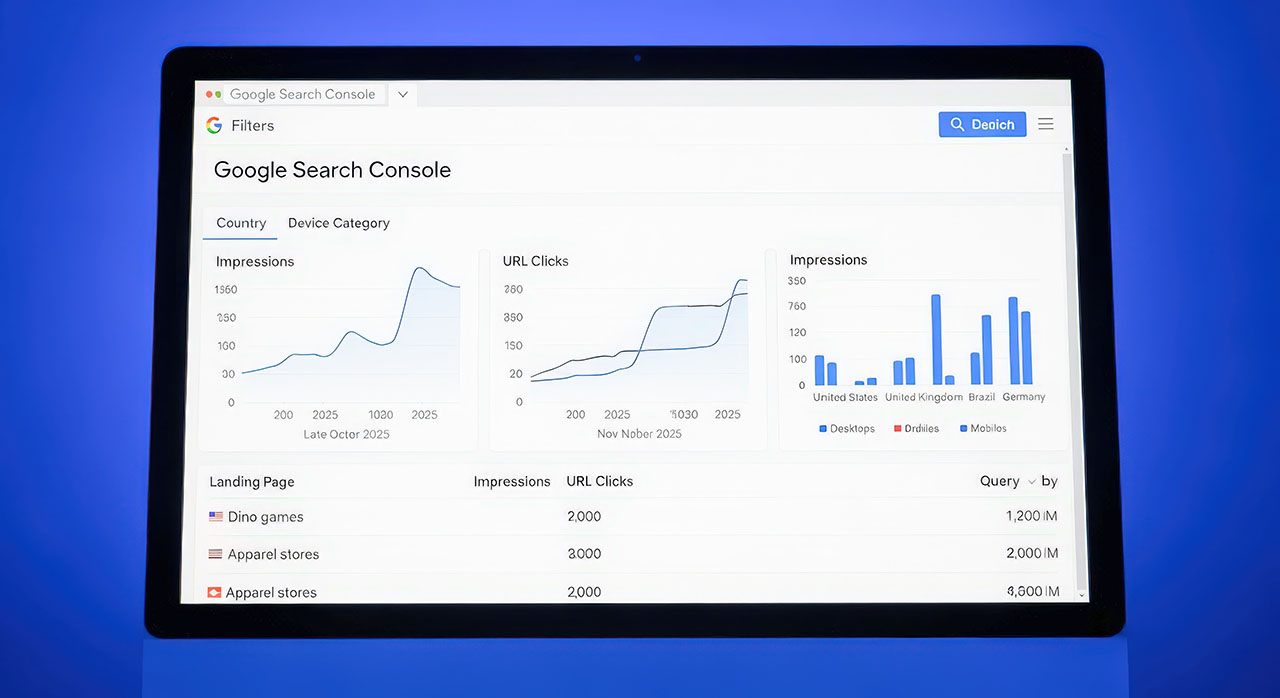
SGE compresses clicks and expands impression based visibility. Rankings alone tell less of the story. Update your KPIs. Track impressions where possible, especially for question led queries. Monitor branded and navigational searches that follow exposure in overviews. Watch assisted conversions from content that answers early stage questions. Track scroll depth, time on page and the use of your next step elements, not just pageviews. Tie content to enquiries in your CRM so you can defend investment if organic clicks dip while enquiries hold or rise.
Move to a content operations model that supports frequent refreshes and consolidation. Identify your cornerstone pages, then maintain them as living documents that stay fresh and accurate. Remove or merge overlapping articles that compete with your best work. Build a review cadence for top pages so they never fall out of date. Introduce a pre publish checklist that covers search intent match, answer first structure, schema, author attribution, internal links and a clear action. Keep a change log so editors and stakeholders know what was updated and why.
Local businesses should align service pages and location pages with conversational questions people ask near a decision, such as availability, response times and specific service types. Ensure opening hours, service areas and contact options are machine readable. B2B brands should surface proof of capability, such as process diagrams, security statements and integration details, since SGE often synthesises practical factors. Ecommerce teams should prioritise rich product detail, comparisons, compatibility notes and post purchase guides. User generated content like reviews and Q&A can provide the experience signals SGE prefers, as long as quality is monitored.
Do not write for the machine at the expense of the reader. Over optimisation produces flat, generic pages that no one wants to cite. Avoid publishing large numbers of similar articles that cannibalise each other. Do not rely solely on AI to generate facts or instructions. Inaccuracies harm trust and reduce your chance of selection. Do not ignore design. If your page is slow, hard to read or difficult on mobile, you will struggle to turn exposure into enquiries.
Week one. Audit your top ten pages by traffic and revenue. Check which questions they answer, whether the answer is visible near the top, and whether there is a clear next step. Identify gaps and duplication.
Week two. Rewrite two cornerstone pages to lead with the answer, add a summary box, strengthen internal links and add relevant schema. Add author bios and dates if missing.
Week three. Build three supporting pieces that tackle common follow ups. Add checklists, short videos or diagrams to improve experience signals. Tighten page speed with image optimisation and script control.
Week four. Set up tracking for the new KPIs. Review early engagement and refine headings, intros and calls to action. Plan a quarterly refresh schedule for your top content.
SGE is changing where attention lands and who gets the first chance to help. Brands that adapt now will keep being seen in the places that matter and will convert that attention into calls, bookings and sales. The work is practical. Lead with answers, show experience, keep content fresh, and design the next step. Do that consistently and you will stay visible even as the search results page continues to evolve.
At Wise SEO, we’re not just about climbing search rankings; we’re about elevating your business.