WESLEY SAYS...
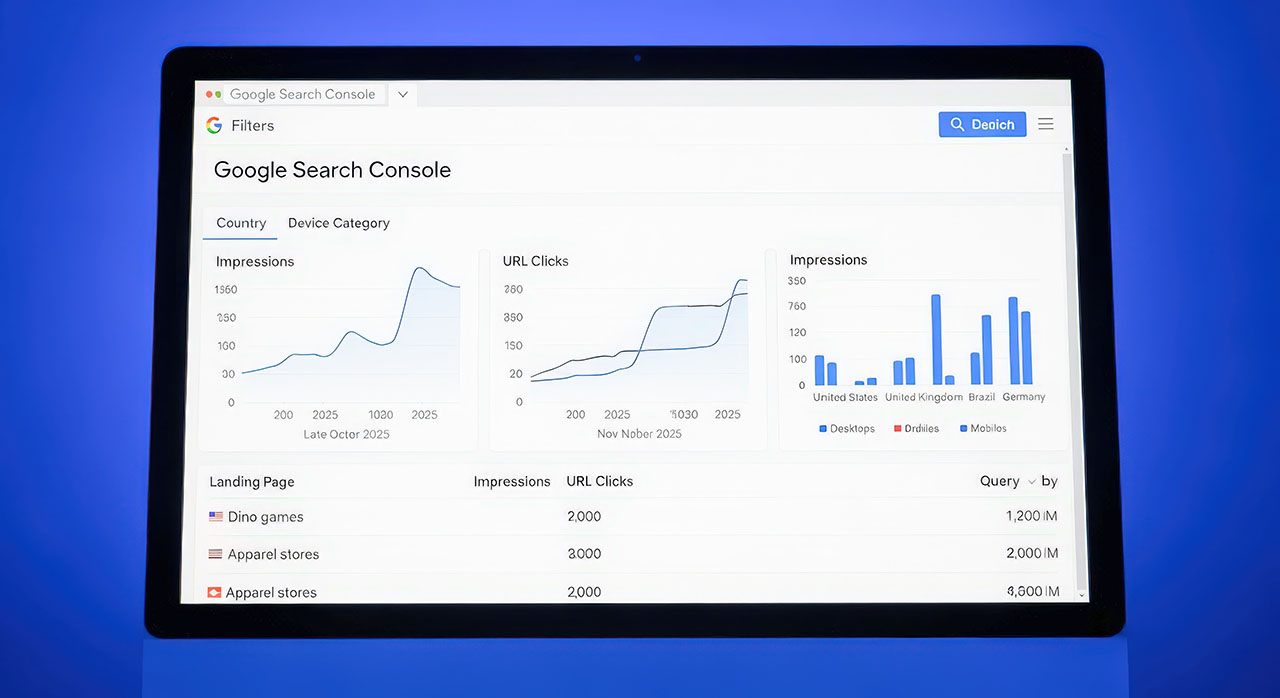
Is submitting your website to search engines crucial for its success? The quick response is no. Most modern search engines, especially industry leaders like Google, discover and index web pages by following links. Let’s delve deeper into this topic and discover why inbound links could be more valuable than submissions.
In today’s SEO landscape, inbound links reign supreme. Acquiring high-quality backlinks is arguably the cornerstone of effective SEO. In essence, if you produce content that is interesting, beneficial, and valuable, web users will naturally link to your site. This organic linking is at the heart of Google’s PageRank algorithm.
While submitting your website to search engines won’t do any harm, it’s not a necessity either. In fact, it only requires about five minutes if you are targeting major search engines. Once is enough; resubmitting doesn’t provide any additional advantage or quicker indexing.
Don’t be fooled by SEO agencies claiming you need to pay to get indexed. Major search engines, such as Google, Yahoo, and MSN, don’t charge a penny for indexing. Be wary of companies asking for money for this service; they are likely more interested in their profits than your success.
Imagine embarking on a cross-country trip without a map; the journey would be chaotic at best. The same holds true for your online business. Having a well-defined roadmap is crucial for success. Below, find a simplified guide to give your online marketing a solid foundation.
The first step in a successful business is choosing a specific target market, not a product. Once you understand your audience’s needs, you can then create a product that solves their problems.
After identifying your target market, it’s time to offer them a product or service. You have three main options:
Your USP sets you apart from your competition. It could be anything from offering better customer service, faster shipping, or lower prices. Make sure it’s something that your competitors cannot offer.
The next step is domain selection and hosting. Your domain should reflect your business and USP. Opt for a trustworthy hosting service, offering speedy customer service and technical support.
When setting up your website, design with your customer in mind. Simplify the navigation and provide an easy-to-use order form. Make sure your site’s benefits and USP are immediately visible.
To drive traffic and generate sales, offer a valuable freebie, whether it’s an eBook, a free report, or even a useful tool. Freebies attract visitors and can turn them into loyal customers.
Maintaining an opt-in email list is essential for long-term success. It’s easier to sell to someone who already knows you, so focus on building a list of loyal subscribers.
In a nutshell, while submitting your site to search engines isn’t mandatory, adhering to these strategies can pave the way for your online success. Following this roadmap will help you avoid the common pitfalls that many online businesses face, setting you on a course for long-term success.
At Wise SEO, we’re not just about climbing search rankings; we’re about elevating your business.