
WESLEY SAYS...
Yes. SEO is more valuable than ever as it underpins visibility, trust and conversions across AI-powered search. Technical health, structured content and experience signals ensure your brand is selected, cited and clicked, even when AI answers come first. SEO now drives discoverability, credibility and cost-effective leads in every channel.
Short answer yes. Longer answer SEO is changing job title. It is no longer only about ranking a page on a list of ten blue links. SEO is now the technical and editorial foundation that lets your brand be understood, selected and trusted by both people and AI systems. If you want steady enquiries, resilient visibility and a lower cost per lead, SEO is still worth every pound. You just need to point it at today’s reality.
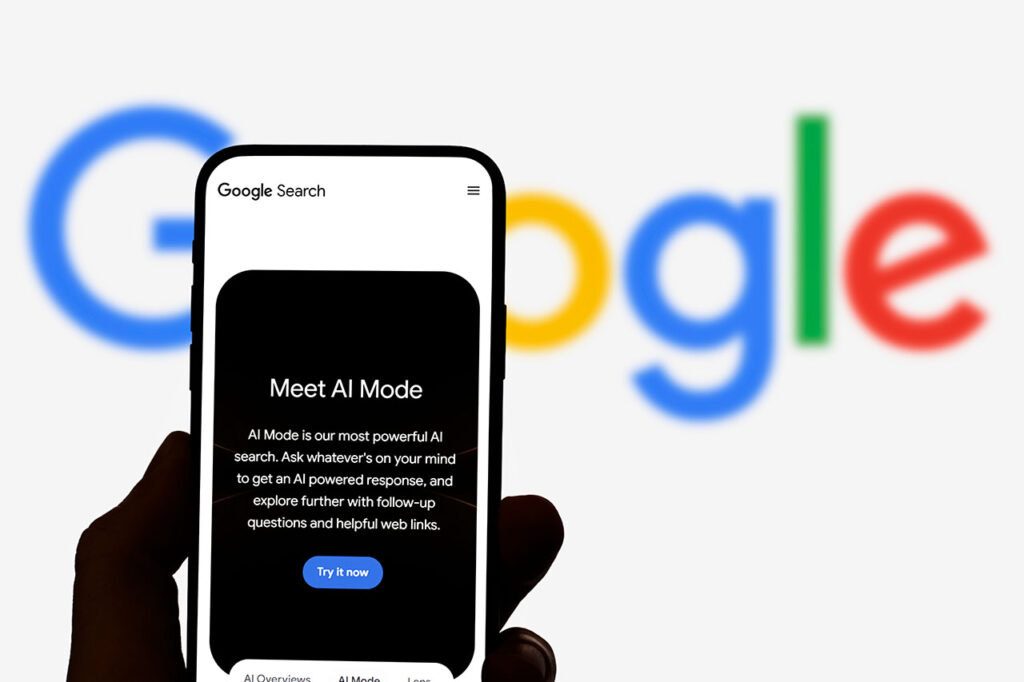
AI assistants and answer panels now handle a growing share of queries. People ask questions in natural language and get a summary at the top of the results. Fewer clicks reach a traditional page. Visibility is no longer just whether you sit at position one. It is whether your content is selected as the answer, cited as a source and remembered as a reliable name.
Think of SEO as plumbing and wiring. Without it, nothing else works properly. With it, every channel performs better.
This does not make SEO pointless. It means you must measure the right outcomes and shape content for selection, not just for placement.
These parts work together. Strong technical SEO and semantic structure raise your chance of selection in AI panels. Good AEO improves snippets and voice results. CRO protects revenue when click volumes move around.
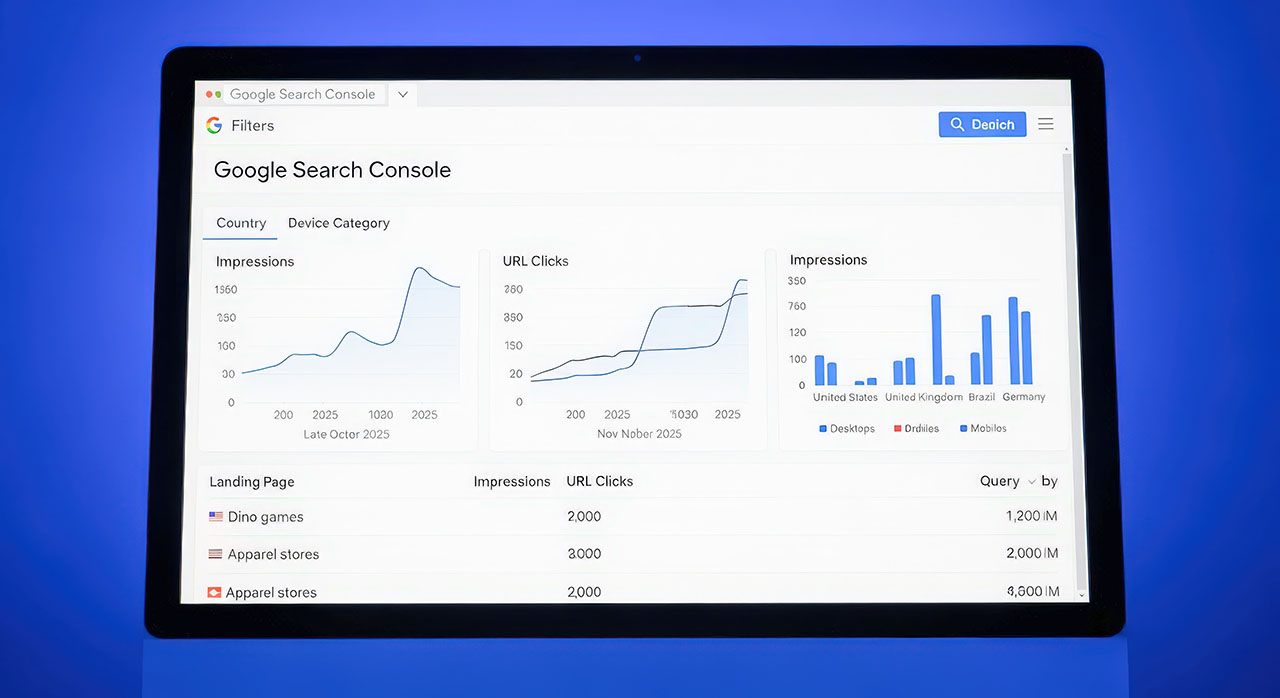
Do not rely on a single rank for a single keyword. Use a small set of signals that map to revenue.
If these hold or rise while raw clicks fluctuate, your SEO investment is working.
Week one audit for selection
List your top five money pages. Add a one paragraph answer near the top, a short summary box, author details and a clear next step such as call, quote or booking. Tighten headings to match how people ask.
Week two fill the gaps
Create two supporting pieces that handle common follow ups. One guide and one checklist or comparison. Link them to the service page and to each other. Add schema where it fits naturally.
Week three speed and stability
Optimise the hero image and fonts on those pages, reserve image dimensions, remove heavy scripts and confirm no key content is hidden on mobile.
Week four measure and refine
Set up dashboards for the metrics above. Review titles and intros based on engagement. Add one proof element to each page, such as a mini case note or timeline.
This is enough to show a lift in quality signals and early enquiries without a massive rebuild.
AI will replace search so why bother
People still need suppliers, pricing, availability, guarantees and local details. AI can summarise, but it still needs trusted sources and clear next steps. SEO ensures your information is accurate, discoverable and reusable.
Paid ads are faster
Paid can be brilliant, but it is more effective and cheaper when the landing experience is strong. SEO work on speed, structure and clarity improves paid performance and lowers cost per lead.
We tried blogging and it did nothing
Most underperforming blogs chase keywords rather than jobs to be done. Replace generic posts with a tight cluster around each service. Make every piece help a real decision.
We already rank for our brand name
Great, now make sure you show up for the questions people ask before they know your name, and that your content is the one assistants choose to read out loud.
SEO is still worth it because customers still need clarity, confidence and a way to act. The channels that bring them to you will continue to evolve. Your job is to make sure that once they arrive at a results page of any kind, your brand is the one that makes progress simple. When your pages are fast, stable and structured, when your answers are concise and credible, and when your next step is obvious, you win attention and turn it into enquiries. That is the return on investment. It is not theoretical. It shows up in calls, forms and booked work.
At Wise SEO, we’re not just about climbing search rankings; we’re about elevating your business.