Why Semantic SEO Matters More Than Keywords for Topical Authority

Why Semantic SEO Beats Keywords for Topical Authority
Wesley the WISEO owl - Wesley the Web Wizard: Your Digital Beacon

WESLEY SAYS...

Semantic SEO focuses on meaning, not repetition. By connecting entities, intent and related topics, your site builds authority across a full subject area. Structured internal links, consistent naming and question-based headings help search systems understand your expertise, improving visibility across clusters rather than for one keyword at a time.

Think of your website as a library. Keywords put books on a shelf. Semantic SEO organises the shelves, adds signposts, connects related chapters and tells visitors where to go next. Search now rewards sites that explain subjects in depth, connect ideas clearly and show real experience. That is topical authority, and it is built with relationships between concepts, not a single phrase repeated on a page.

The idea in one minute

  • Keywords match queries.
  • Semantic SEO matches meaning and intent.
  • Topical authority is earned when you cover a subject thoroughly, link related content together and prove experience.
  • The result is broader visibility, stronger trust and more enquiries from the right searches.

Three lenses for semantic SEO

Entities
People, places, products, services, brands and the attributes that define them. Clear entity signals help machines understand who you are and what you do.

Intent
Informational, comparative, transactional and post purchase. If your page type does not match the user’s job to be done, it struggles.

Relationships
How ideas connect. Service pages link to guides, comparisons, FAQs, case studies and tools. Internal links make these relationships visible.

A quick 15 minute audit

  1. Pick one core service.
  2. List the ten most common questions customers ask.
  3. Mark which you have covered and which are missing.
  4. Open your service page. Does it link to each answer or the next best step.
  5. Check author, date, proof and schema. If any are missing, add them.

Example cluster blueprint

Pick a service and build a small, complete set. Quality beats volume.

  • Cornerstone service page
    Who it is for, outcomes, process, proof, pricing guidance, FAQs, next step.
  • Guide
    How it works, what to expect, timelines, risks, mistakes to avoid.
  • Comparison
    Option A vs option B, pros and cons, costs, when to choose which.
  • Checklist or calculator
    Simple tool that turns thinking into action.
  • FAQ page
    Short answers to the five most frequent questions.
  • Case study
    Real outcome with results, timeline and named client if possible.
  • Post purchase help
    Onboarding, aftercare, maintenance or training.

Link them together in both directions. Add breadcrumbs. Use clear anchor text that describes the next step.

How to write for meaning, not just words

  • Lead with the answer in your opening paragraph.
  • Use question based headings that mirror how people speak.
  • Add short lists for steps, criteria and pros and cons.
  • Include definitions of key terms so the page can stand alone.
  • Name entities consistently. Company, product names, locations and people should be written the same way across the site.

What to do with keywords

Keep them, but demote them from the driver’s seat. Use a small set of primary and secondary terms as a safety rail, then write naturally to cover the subject. If you are matching intent and connecting pages well, you will pick up long tail phrases without trying to list them.

Internal linking that builds authority

  • Put a short links section near the top of cornerstone pages. Guides, comparisons, pricing and FAQs.
  • Add in body links where a reader benefits from more depth.
  • From supporting content, link back to the service page with a clear call to action.
  • Use descriptive anchors. Avoid “click here”.

Proof that lifts credibility

Topical authority is not only coverage. It is experience.

  • Named authors and editors with short bios.
  • Data points, screenshots, process photos and real timelines.
  • Quotes from your team or clients.
  • Clear contact details and policy pages.
  • Freshness signals. Last reviewed date on key pages.

Common traps to avoid

  • Ten blog posts that all chase the same term and cannibalise each other.
  • A service page with no links to deeper help.
  • Guides that never mention costs, risks or suitability.
  • Orphan pages that nothing links to.
  • Copy that could apply to any business in your sector because it lacks examples.

WordPress setup that helps

  • Create categories that map to your main services, not generic labels.
  • Use a custom sidebar or in page links module to surface the cluster.
  • Keep sitemaps focused on canonical URLs for these pages.
  • Add FAQ or HowTo schema where it fits naturally.
  • Use a simple component for proof boxes so editors add evidence every time.

Measurement that matches the goal

Rankings are useful, but topical authority shows up in broader signals.

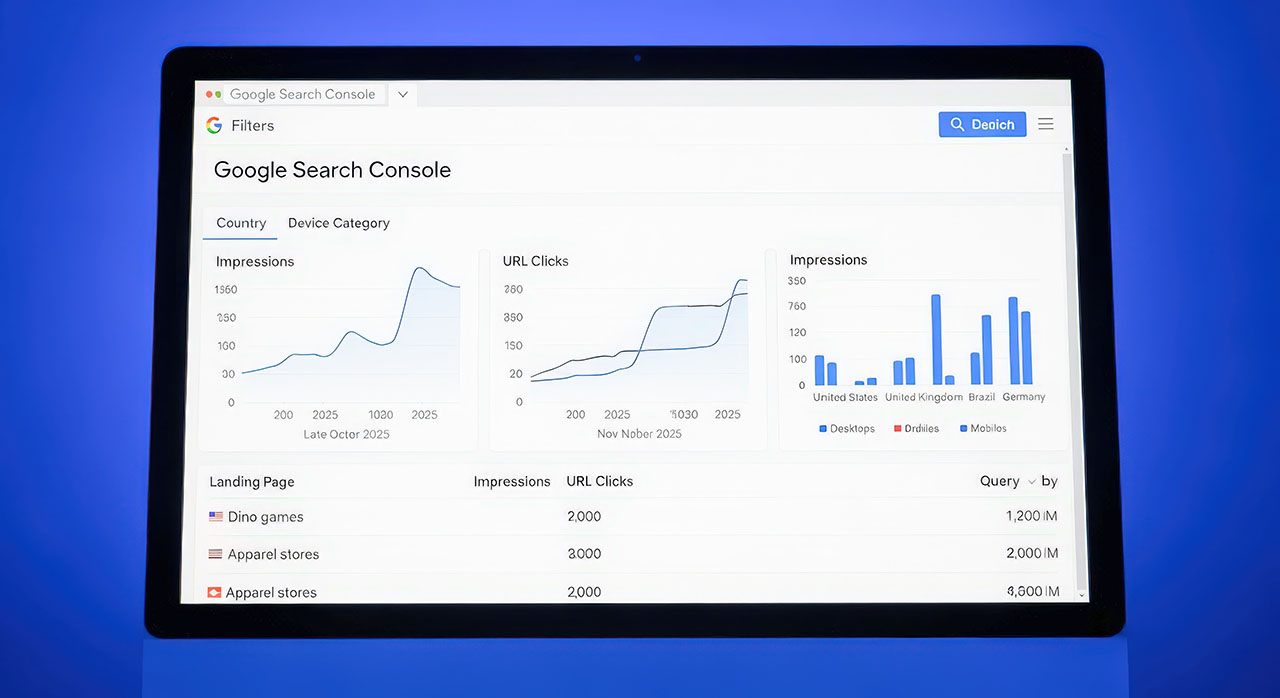
  • More impressions across varied long tail queries for the subject.
  • Higher click through on question led searches.
  • Deeper session depth as people follow internal links.
  • More assisted conversions where a guide or comparison appears early in the journey.
  • Rising branded search volume for your name plus the service.

A 30 day sprint to build a cluster

Week one
Interview sales or service teams. Collect the top ten questions, objections and success stories. Draft the structure for the service page and pick three supporting pieces.

Week two
Write the service page and one guide. Add author, proof, FAQs, internal links and a clear next step such as a price guide or booking.

Week three
Write the comparison and the checklist or calculator. Link them to the service page and to each other. Add schema where relevant.

Week four
Publish the cluster. Add a short sitewide promo block that links to the new pages. Review early engagement and refine headings and calls to action.

Mini case example

A local professional service chose “fixed fee wills” as the core topic. They built one clear service page, a guide on how the process works, a comparison of fixed fee vs hourly billing, a checklist of documents to prepare and a simple pricing explainer. Internal links connected each piece, with short proof boxes showing timelines and outcomes. Within two months they saw a rise in queries for related long tail terms, longer sessions from organic traffic and more form submissions from visitors who had read both the guide and the checklist. No extra ads, just clearer coverage and better structure.

Why this matters for your business

Semantic SEO makes your content easier to understand, easier to reuse in answer panels and easier to act on. Customers get clarity. Search systems see a complete, trusted resource. You get broader visibility for the whole subject, not just a single phrase, and more of the right enquiries. If you are choosing where to invest time this quarter, build one cluster well. It will outperform ten disconnected posts.