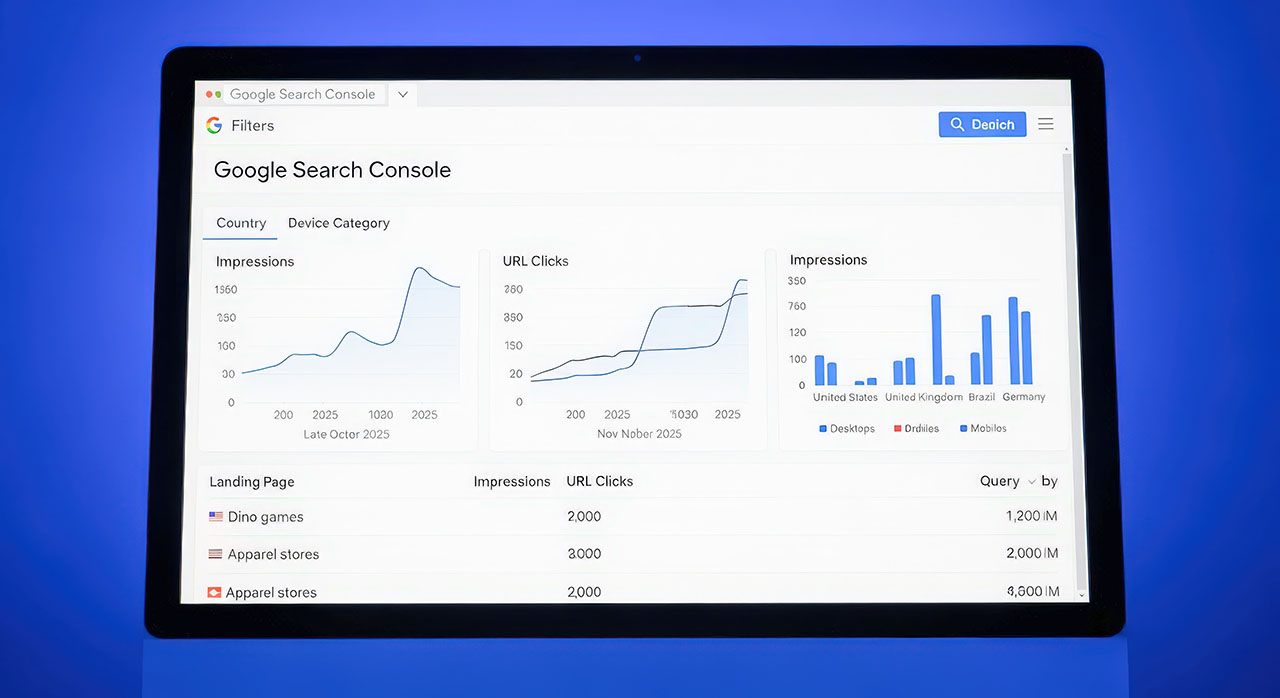
When Google rolls out a core algorithm update, the SEO world holds its breath — and for good reason. These updates don’t just tweak rankings; they can fundamentally shift how websites are evaluated and discovered online. The most recent update is no exception. If you’ve noticed movement in your site traffic or keyword positions recently, you’re not alone.
So, what changed?
Google’s latest algorithm update places a heavier emphasis on what it calls helpful content signals. In essence, it’s rewarding websites that provide authentic, original, and valuable information — content created for people first, not search engines. Thin, AI-spun, or generic content that simply rehashes what’s already out there? That’s being quietly pushed aside.
One of the most significant shifts is how Google assesses site-wide quality. It’s no longer enough to have a few high-performing pages; the overall helpfulness and consistency of your content across the site now play a key role in rankings. That means a few outdated or irrelevant pages could be dragging down your performance more than you think.
Experience, Expertise, Authoritativeness, and Trust (E-E-A-T)
E-E-A-T remains central to Google’s vision of high-quality content, but this update goes further by introducing more nuanced assessments of content creators. Sites that demonstrate real-world experience (not just theoretical knowledge), cite reputable sources, and publish author-bylined content are seeing gains. If your content lacks a clear author or doesn’t show expertise in the subject matter, it’s time for a rethink.
SEO strategies that no longer work
Some tactics are now officially in the rear-view mirror:
-
Publishing large volumes of average content to chase keyword coverage.
-
Over-optimised articles that read like they’re written for Google.
-
Ignoring page experience and accessibility.
The bottom line? Google is looking for quality over quantity and substance over surface-level optimisation.
What you should do next
-
Audit your content: Identify low-performing or thin content and either improve or remove it. One poor page can affect the credibility of your entire domain.
-
Focus on topical authority: Become the go-to source for your niche by covering subjects in-depth, not just at a surface level.
-
Add real value: Include unique insights, data, or real-world experience in your content.
-
Improve UX: Ensure fast loading speeds, mobile responsiveness, and a clean structure that’s easy to navigate.
Final thoughts
SEO is no longer just about keywords and backlinks. It’s about clarity, credibility, and connection. Google’s latest update is a reminder that the real winners in search will always be those who put their audience first — with content that genuinely helps, educates, and informs.
At Wiseo, I help businesses stay ahead of these changes with honest, strategic SEO that works — now and in the future.